
Raghbir Singh Brar
Faridkot\
October 14,2026
Email:raghbirsinghbrar@70102pwpadmin
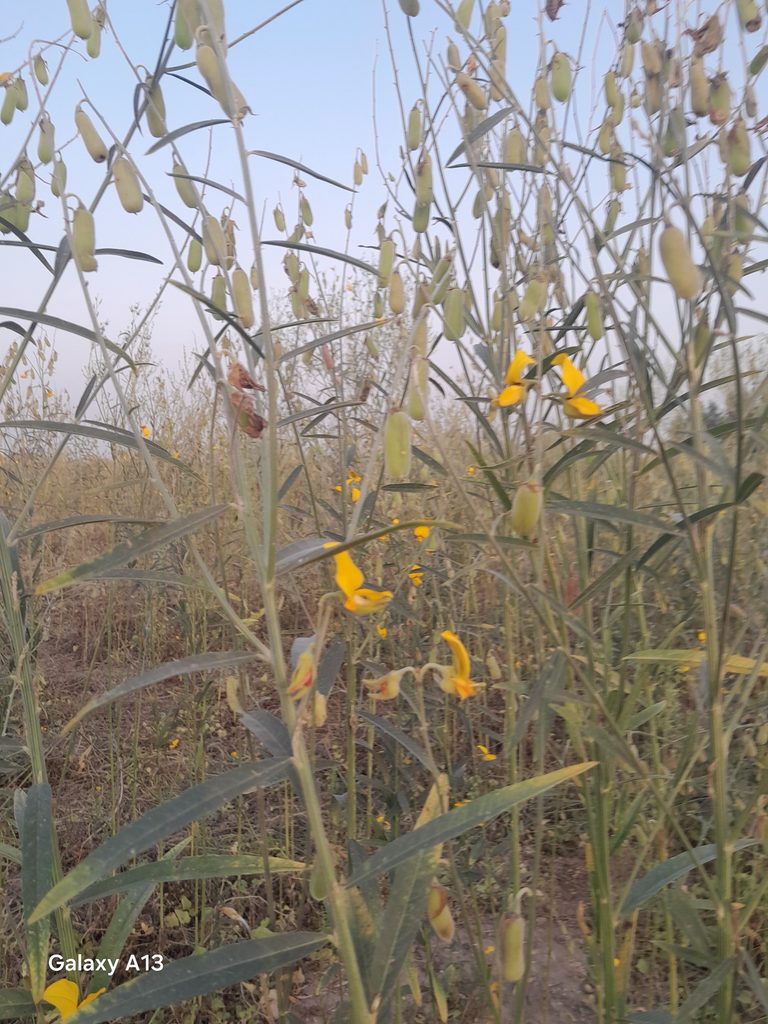
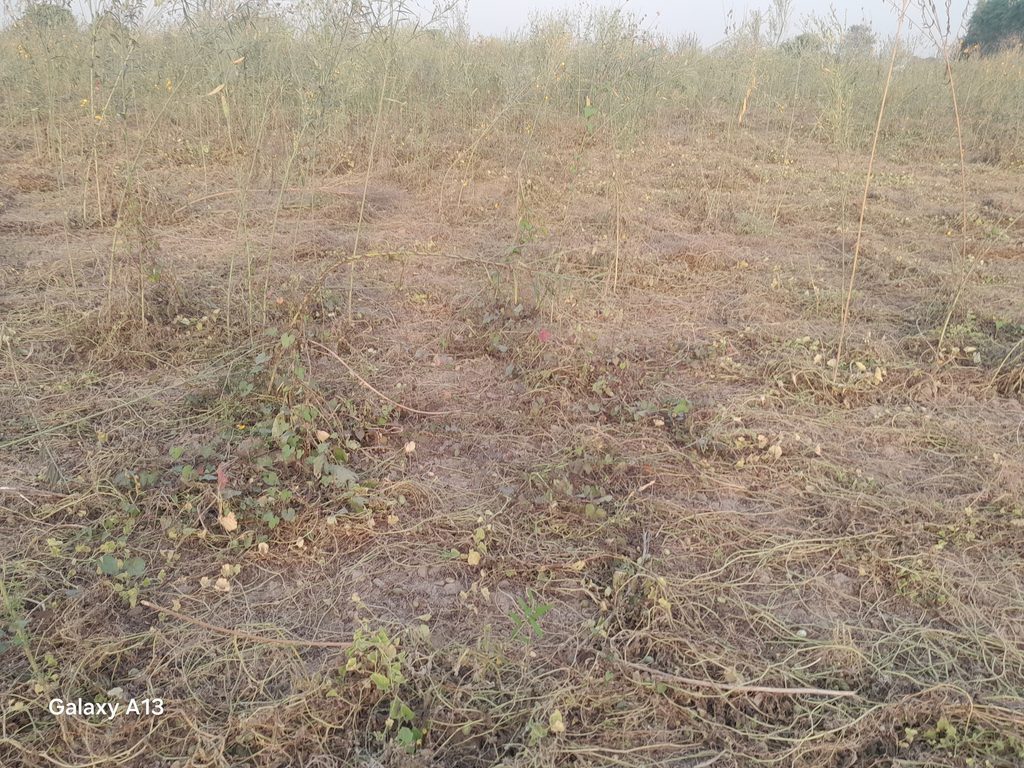
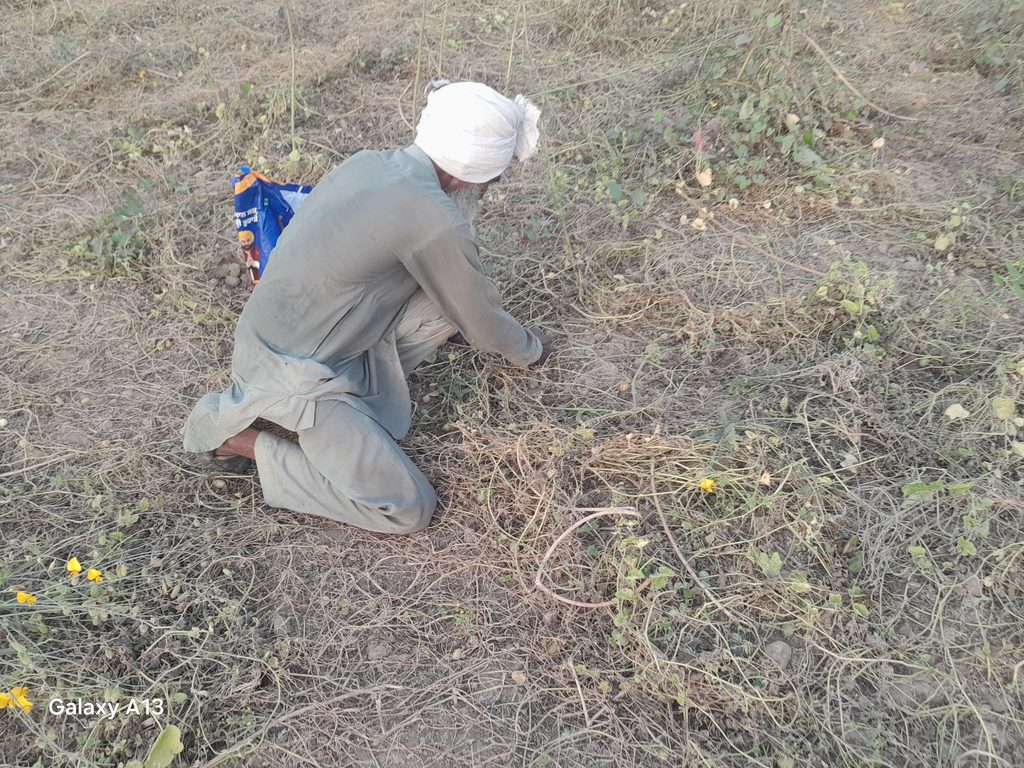
The wild growth of the Chibber fruit (wild melon) has outshone the San crop (Sunn Hemp) on about 90 acres of land. “The Chibbar creepers/vines have grown so thickly that it has spreaded across the fields on about 90 acres of land at PAU seed farm (Raja HarInder Singh Seed farm Bir Sikhan Wala) that most of the people from about four -five villages have been picking chibbers for their survival,” said Avtar Singh, a man from village Bir Sikhan wala.
“Earlier, the chibbar vines did exist in the past years, but not covering almost every nook and corner. This Kharif season, there are chibbars and chibbers on all the vast chunks of land. Even the passersby travelling in cars can be seen picking those for their needs,” said Kala Singh, who also goes to pick/pluck chibbars. Many women and men used to go to pluck chibbars for over a month.
Economic Impact and Regional Market Dynamics
“Though not much, yet the picking and selling chibbar fruit earn us about Rs 500 per day depending upon how many family members for how many hours pick up chibbers,” said Kala Singh.
“The Chibbars from our village have earned enough for many people as they earn their living by selling those. They have made our village famous in many districts,” said Bittu Singh, a man from Bir Sikhan Wala.
“The men and women from Bir Sikhan Wala, Devi Wala, Sirsari, Nathewala and Sikhan Wala, whoever wants, come to pluck chibbars. If one sells the chibbars to the traders who drive our villages, the price ranges between Rs 10 to 12 per kilogram. If it goes to the vegetable market Kotkapura, the price goes up to Rs 20, but one has to spend for packing and transportation etc,” said Avatar Singh.
“But some people transport them to Moga, Ludhiana, Barnala or some other districts, the price remains Rs 35 to 40 per kg. However, the retailers, i.e., rehri wala sell them at Rs 120 per kg. So some who are able to collect the fruit in large quantities may take it to far off markets. One day, our people went to vegetable market Ferozpur, but were unable to sell them as the people there were not much aware of their uses,” Avtar said.
Earning fame is mainly because the farmers do not spare even an inch of uncultivated land and almost apply weedicides on all crops. The chibber creepers can only flourish on somewhat dry and sandy soils, where land is less irrigated and soaks water soon. So there is hardly any 90 acres of land lying anywhere ideally for the unchecked growth of the creeper. If you visit the fields, the San crop which has been mainly sown by the PAU seed farm, the plants are very sparse, though have borne fruit, but may not be considered a good crop.
In an era of intensive farming, the 90-acre Chibbar carpet at Bir Sikhan Wala is a reminder – when a crop fails due to lack of water, nature still gives a free crop for the poorest to survive on, and a wild fruit can bring more fame to a farm than its intended crop.
Dr. Kuldeep Singh, Director KVK Faridkot Speaks
When contacted, Dr. Kuldeep Singh, director KVK Faridkot, who is also holding the post of the director Raja Har Inder Singh Seed farm village Bir Sikhan Wala, spanning on about 1200 acres of land said, “As for the summer crops (Kharif crops) are concerned, there is an acute shortage of water for them with us. We are dependent on canal water only. Earlier, we had to leave some parts of land uncultivated because of the scarcity of land. But this season, we explored to go beyond this. We have tried to bring all the areas under cultivation.”
“We seeded San crop so that we can distribute seeds to the farmers, or else use it as green manure. As there was hardly any rainfall, our crop could not grow properly and so there are creepers like Chibbars. If there were rains, the crop would have been very thick and weeds did not outgrow,” Dr. Kuldeep Singh added.
“As far as our Summer season (Rabi crops) are concerned, they are always best. However, we have been very successful in covering all the areas this Kharif season.”
What is Chibbar?
Chibber (Cucumis melo var. agrestis), locally called Chibbad or Wild Melon, is a small, lemon-sized wild creeper fruit that grows on its own in dry, sandy, less-irrigated fields after the first monsoon showers. It is not cultivated. Raw Chibbers are green, bitter-sour and are used as a vegetable – cooked like Tinder, used to make chutney, pickle, and khatti sabzi. When ripe, they turn yellow and are eaten raw as a cooling, digestive fruit. Rich in fibre, water and antioxidants, villagers say it is good for digestion and in summer heat.
What is San Crop?
San, or Sunn Hemp (Crotalaria juncea), is a tall green manure and fibre crop. PAU sows it mainly to produce seed for farmers or to plough it back into the soil as green manure to improve soil health before wheat. It needs good rain or irrigation in Kharif.
1.San crop
2.Failed San crop and wild Chibbars can be seen
3.A man picking chibbars